
Smell training is the best-studied home treatment for smell loss that follows a viral infection or a head injury. It is safe, inexpensive and simple. The hard part is keeping it up, because any benefit builds over months, not days. This guide walks through exactly how to do it.
What you need
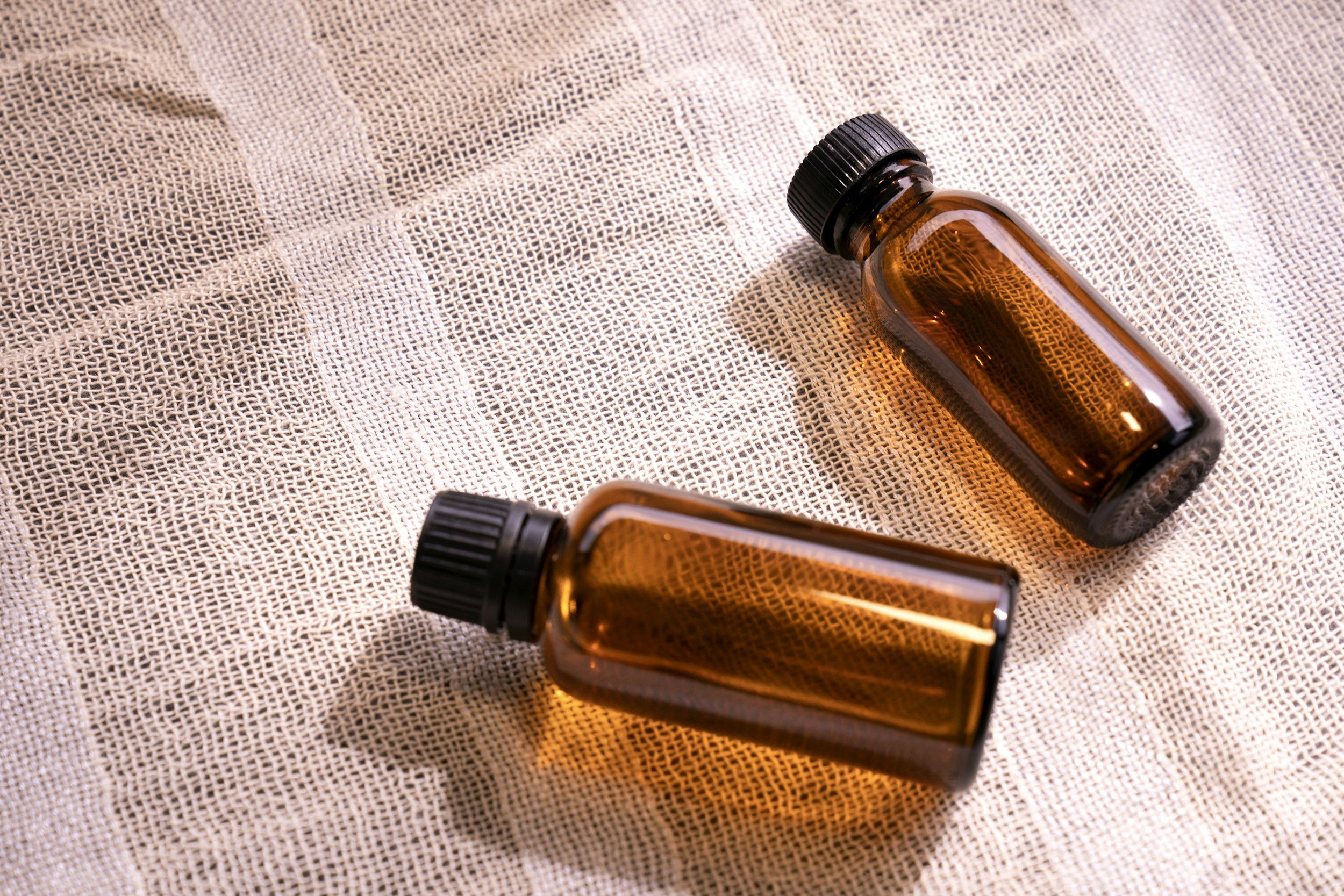
You need four strong, clearly different scents. The original research used rose, eucalyptus, lemon and clove, chosen to represent flowery, resinous, fruity and spicy smells. Essential oils work well. Put a few drops of each oil on a cotton pad inside its own small jar with a lid, and label the jars. Refresh the oil when the scent fades.
Do not put essential oils inside or on your nose, and keep the jars away from children and pets.
The routine
Train twice a day, once in the morning and once in the evening.
Open one jar and hold it about an inch below your nose.
Take gentle, natural sniffs for about 10 seconds. Short "bunny sniffs" work better than one deep breath.
While you sniff, concentrate on what you remember that scent smelling like.
Rest for about 10 seconds, then move to the next jar.
The whole session takes about two minutes. Tying it to something you already do, such as brushing your teeth, makes it easier to remember.
How long to continue
Plan on at least 12 weeks, the length of the original study. Later research suggests that longer is better. In a 2015 study, people who trained for 36 weeks and switched to a new set of four scents every 12 weeks improved more than people who kept the same four scents throughout. A reasonable plan is to change scents every 12 weeks and continue for six to nine months. The second and third sets in that study were menthol, thyme, tangerine and jasmine, followed by green tea, bergamot, rosemary and gardenia.
Tracking progress and what to expect
Recovery is slow and not everyone improves. In the original study, roughly one in four people who trained improved, compared with far fewer of those who did not. Some research suggests training helps most when it is started within the first year. A weekly self-rating helps you see a trend you would otherwise miss: use the free 12-week smell training tracker and bring it to your visit.
Smells may seem distorted for a while as they return. That is common and is covered in the guide to parosmia and phantosmia. See a doctor if your smell loss has no obvious cause, affects one side only, came on suddenly without a cold, or comes with other neurological symptoms. For the background on causes and evidence, read Smell loss and smell training: does it work and what else helps?
This article is for general education and is not a substitute for an examination by your own physician.
References: Hummel T, Rissom K, Reden J, et al. Effects of olfactory training in patients with olfactory loss. Laryngoscope. 2009;119(3):496-499. Altundag A, Cayonu M, Kayabasoglu G, et al. Modified olfactory training in patients with postinfectious olfactory loss. Laryngoscope. 2015;125(8):1763-1766. Damm M, Pikart LK, Reimann H, et al. Olfactory training is helpful in postinfectious olfactory loss: a randomized, controlled, multicenter study. Laryngoscope. 2014;124(4):826-831.