
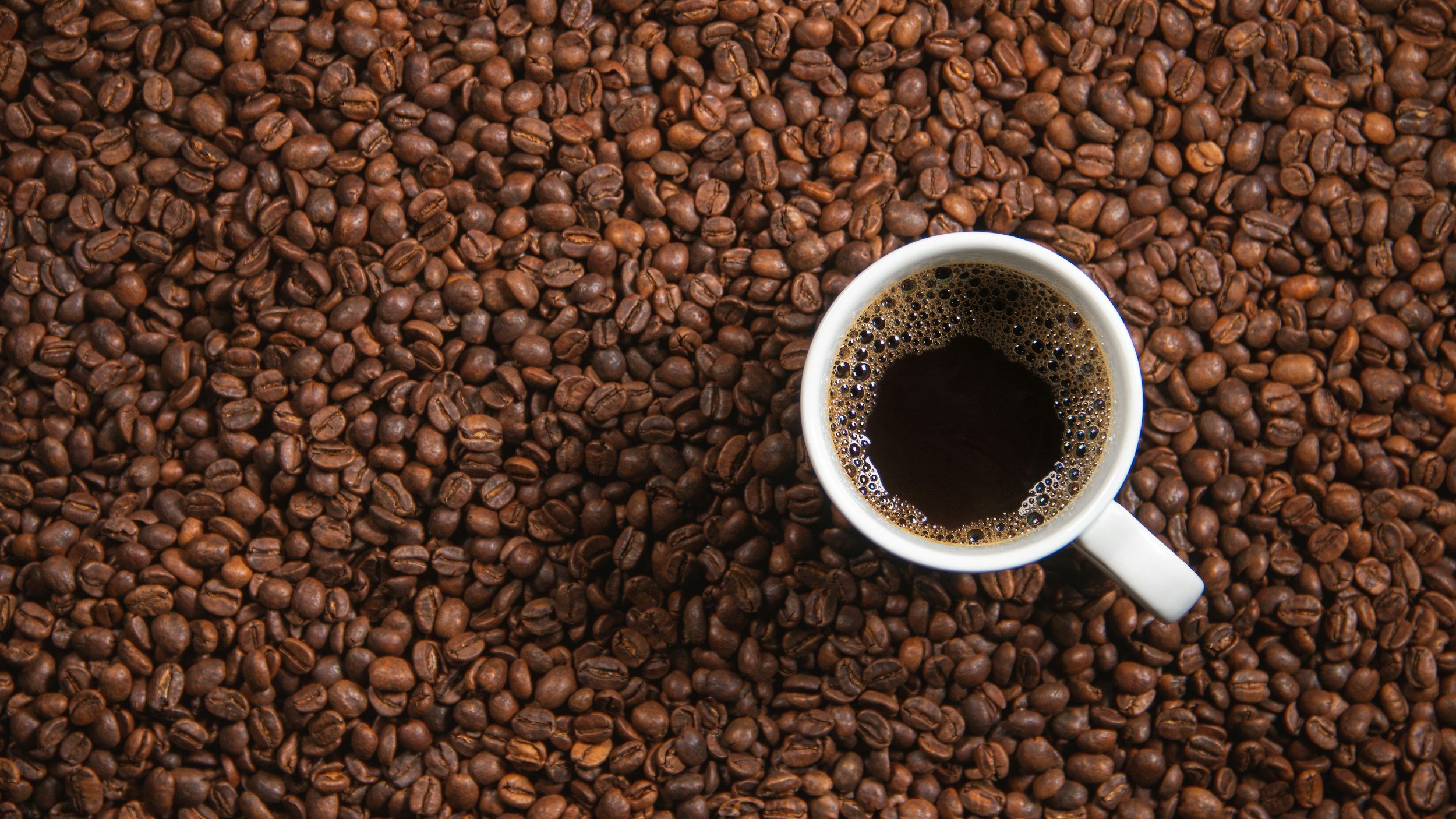
Losing your sense of smell is one problem. Having it come back wrong is another, and for many people it is the more upsetting of the two. Distorted and phantom smells are common during recovery from smell loss, and they have names.
Parosmia: a real smell that is distorted
With parosmia, something that is really there smells wrong, and usually unpleasant. Coffee, onions, garlic, cooked meat and chocolate are frequent triggers, and people often describe the distorted smell as burnt, rotten or chemical. Parosmia typically appears weeks to months after a viral smell loss, often just as smell is starting to return.
Phantosmia: a smell with no source
With phantosmia, you smell something that is not there at all, most often smoke, burning or chemicals. It can follow a viral illness, sinus disease or a head injury. Less often it is linked to migraine, and rarely to seizures or other neurological conditions, which is why a persistent phantom smell deserves an evaluation.
Why it happens and what to expect
The leading explanation for parosmia is that recovering smell nerves reconnect imperfectly, so a familiar odor activates an incomplete or scrambled pattern. Seen that way, parosmia can be a sign that the system is regrowing. In one study of people with post-viral smell loss who did smell training, those with parosmia were more likely to have a meaningful recovery. Distortions usually fade gradually over months, though for some people it takes longer than a year.
What helps
Have your nose examined so that treatable causes such as sinus disease are not missed.
Keep up smell training. It is safe to continue through parosmia.
Food that is cold or at room temperature gives off less odor and is often easier to tolerate.
Note your trigger foods and work around them for now, then retry them every few weeks.
Watch your weight and nutrition, and tell your doctor if eating has become difficult or your mood is suffering.
Seek prompt care if phantom smells come with blackouts, unusual spells, new headaches, weakness or changes in vision. You can record how your smell is changing with the smell check and tracker.
This article is for general education and is not a substitute for an examination by your own physician.
References: Liu DT, Sabha M, Damm M, et al. Parosmia is associated with relevant olfactory recovery after olfactory training. Laryngoscope. 2021;131(3):618-623. Patel ZM, Holbrook EH, Turner JH, et al. International consensus statement on allergy and rhinology: Olfaction. Int Forum Allergy Rhinol. 2022;12(4):327-680.