
A blocked nose affects more than breathing. It disturbs sleep, dulls taste and smell, and pushes people into mouth breathing. Many simple measures can help, and some have better evidence than others. Here is an honest guide to the holistic options, followed by the warning signs that mean it is time for an examination.
Rinse the nose
Saline irrigation is the best-supported home treatment for congestion caused by allergies or chronic sinusitis. A large-volume rinse from a squeeze bottle or neti pot washes out mucus, pollen and irritants and helps the lining work better. Use distilled, sterile or boiled and cooled water, never water straight from the tap. The saline rinse calculator shows how much mix to use for your bottle.
Use gravity, warmth and moisture
Raise the head of your bed a few inches, or sleep slightly propped up. Congestion often worsens when lying flat because blood pools in the nasal lining.
Sleep on your side. The nose naturally alternates which side is more open during the day and night, and lying on one side tends to open the upper nostril.
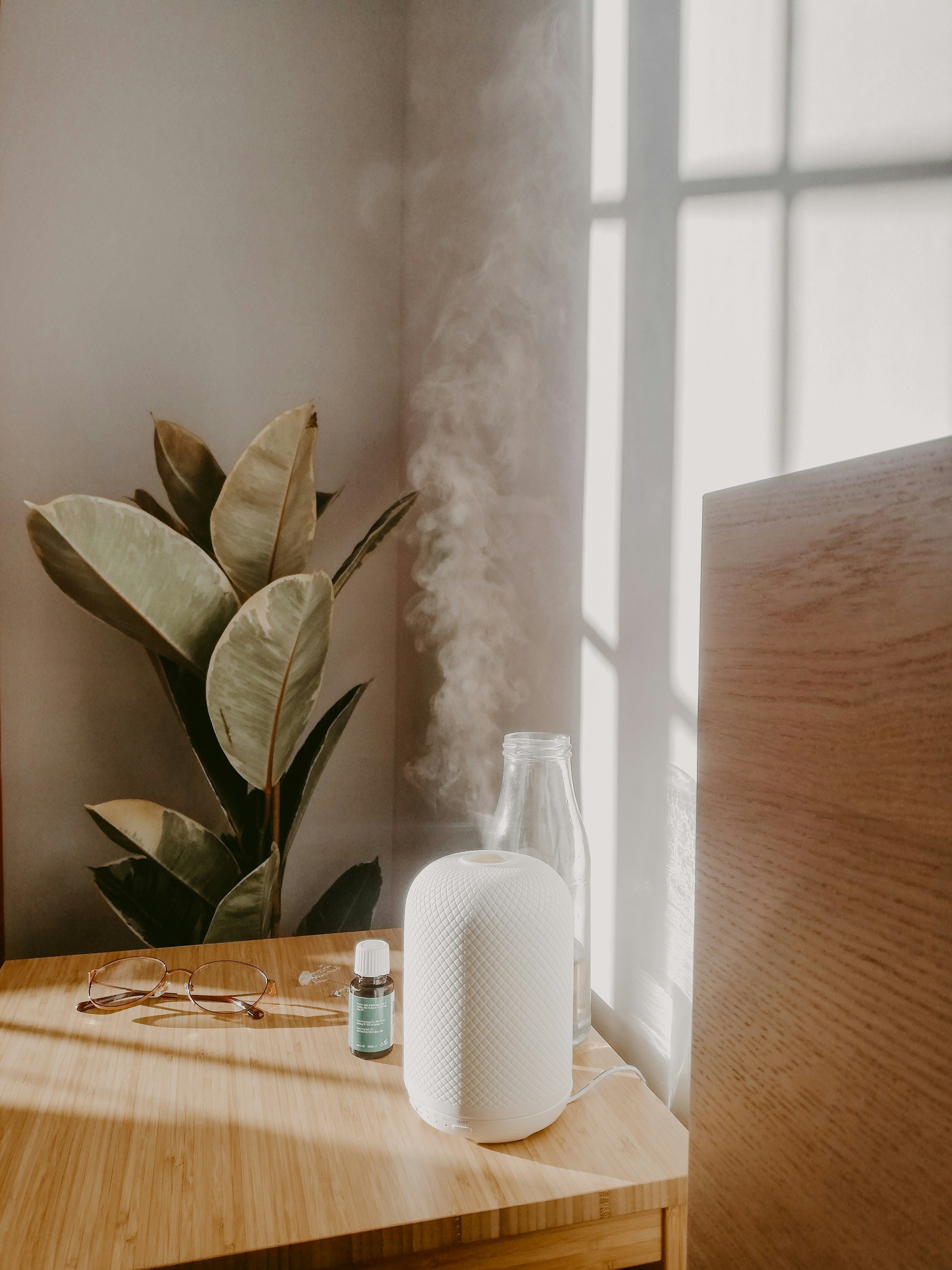
Steam and humidity from a warm shower or a clean humidifier can loosen thick mucus and feel soothing in dry weather. Studies of steam inhalation for colds have not shown that it shortens illness, so think of it as comfort rather than cure. Steam bowls cause scald burns every year, especially in children, so take care.
A warm compress over the nose and cheeks can ease the pressure feeling that comes with congestion.
Move your body
Exercise is a natural decongestant. During physical activity, the body releases stress hormones that narrow the blood vessels in the nasal lining, which is why a stuffy nose often clears during a brisk walk or run. Regular exercise is also linked to a lower risk of chronic sinusitis in our own Fitbit research.
Open the airway mechanically
Adhesive nasal strips lift the sides of the nose and can help people whose nostrils narrow or collapse when they breathe in, a problem called nasal valve collapse. Small internal dilators work in a similar way. They will not help congestion caused by swelling deeper inside the nose, but they are a reasonable, drug-free experiment, particularly at night.
Calm the airway with breathing
Slow nasal breathing and humming are gentle ways to encourage airflow and relaxation. Humming increases nitric oxide in the nose and sinuses, and slow breathing helps settle the stress response that can make symptoms feel worse. Try the guided breathing tool, including its humming pattern, or read Breathing exercises and meditation for your nose, sinuses and airway.
Know what to avoid
Decongestant sprays such as oxymetazoline give fast relief, but using them for more than about three days in a row can cause rebound congestion that is harder to treat than the original problem.
Menthol and eucalyptus rubs create a cooling sensation that makes breathing feel easier, but research shows they do not actually increase airflow. They are fine for comfort; do not use them in or under the nose of young children.
Smoke, strong fragrances and dry indoor air irritate the lining and make congestion worse.
Allergen control works best as a package: keeping pets out of the bedroom, washing bedding hot, using a HEPA filter and keeping windows closed in pollen season. Single measures on their own, such as mattress covers alone, have shown limited benefit in studies. Check today's levels with the pollen and air quality check.
When congestion needs an examination
See a specialist if your nose is blocked on one side only, if congestion comes with nosebleeds, facial swelling, loss of smell or vision changes, or if it lasts more than 12 weeks despite home care. A deviated septum, enlarged turbinates, nasal polyps or chronic sinusitis are common, treatable causes that home remedies cannot fix. The nasal blockage score is a good way to measure how much your congestion affects you before your visit.
This article is for general education and is not a substitute for an examination by your own physician.
References: Chong LY, Head K, Hopkins C, et al. Saline irrigation for chronic rhinosinusitis. Cochrane Database Syst Rev. 2016;4:CD011995. Singh M, Singh M, Jaiswal N, Chauhan A. Heated, humidified air for the common cold. Cochrane Database Syst Rev. 2017;8:CD001728. Eccles R. Menthol: effects on nasal sensation of airflow and the drive to breathe. Curr Allergy Asthma Rep. 2003;3(3):210-214. Sheikh A, Hurwitz B, Nurmatov U, van Schayck CP. House dust mite avoidance measures for perennial allergic rhinitis. Cochrane Database Syst Rev. 2010;7:CD001563.